
This comparison focuses on what changes in real-world use, not just what looks good on a spec sheet.
What is LVL formwork, and how is it typically used?
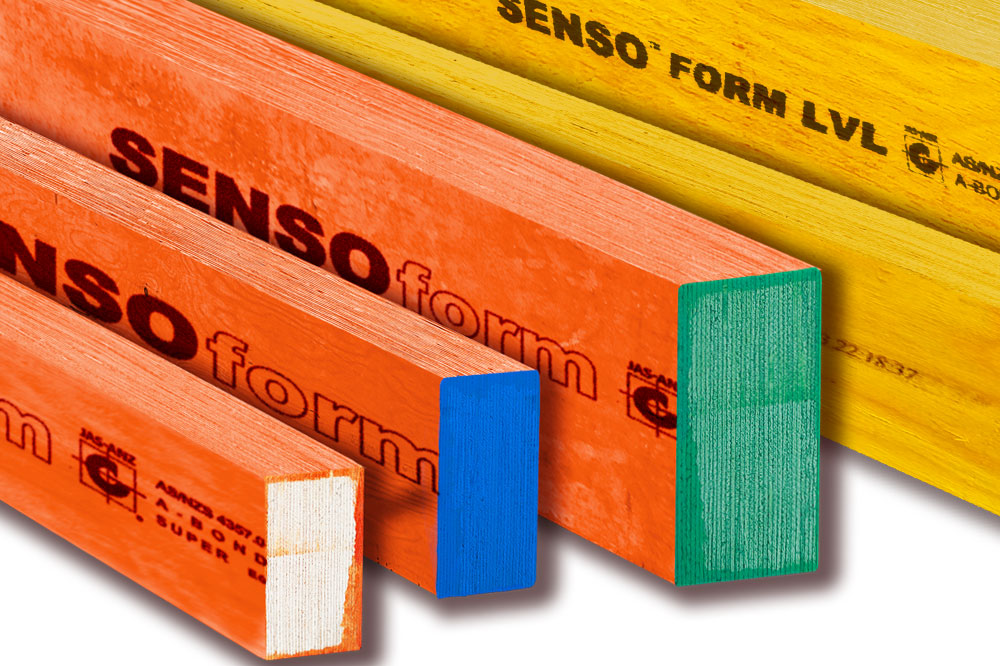
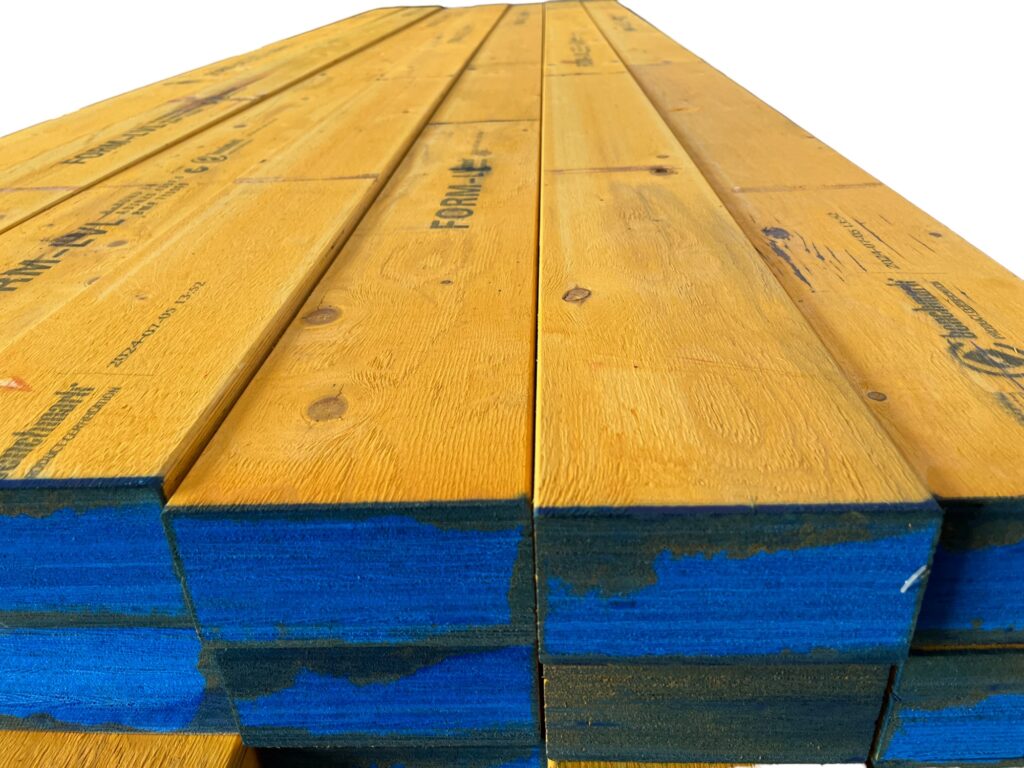
LVL (laminated veneer lumber) formwork uses engineered timber made from thin veneers bonded into stable beams and panels. It is typically used for deck formwork, beams, columns, and wall forms where straightness and consistent dimensions matter. When assessing project budgets, contractors often compare material performance alongside timber LVL formwork prices to ensure the system delivers both structural reliability and cost efficiency.
Because LVL is manufactured to tighter tolerances than sawn timber, crews often find set-out and alignment more predictable, especially over longer spans and repeated cycles.
What is traditional timber formwork, and where does it still make sense?
Traditional timber formwork usually means sawn pine or mixed hardwood framing with plywood faces, cut and built on site. They often choose it where shapes are irregular, access is tight, or bespoke detailing is needed.
It still makes sense on small pours, one-off elements, and jobs where the crew can quickly adapt materials without waiting for specific LVL sizes or proprietary components.
Which option is faster to install and strip?
LVL formwork is usually faster when the design is repetitive and the crew can standardise lengths, spacing, and bracing details. They tend to spend less time sorting bowed pieces, packing levels, or correcting twist.
Traditional timber can be fast for simple, small areas with an experienced crew and good material supply. It slows down when timber quality varies and more time goes into straightening, re-cutting, and re-bracing.
Which delivers better accuracy and concrete finish?
LVL typically delivers better straightness and consistency because engineered members are more dimensionally stable. They are less likely to see gradual “creep” in alignment across multiple bays when bracing and bearers remain true.
Traditional timber can still deliver a high-quality finish, but it depends heavily on timber selection, moisture content, and workmanship. They may see more face-step, rippling, or alignment drift if framing moves between set and pour.
How do durability and reuse cycles compare?
LVL formwork generally holds shape better across reuse cycles, so they can often reuse bearers and joists more times before accuracy becomes an issue. The limiting factor is frequently the facing material and edge protection, not the LVL itself.
Traditional timber varies a lot. If they get straight, dry stock and treat it carefully, reuse can be reasonable. If timber arrives wet or gets damaged during stripping, it can lose accuracy quickly, increasing waste and rework.
What are the cost differences beyond the purchase price?
LVL often costs more upfront, but their total cost can drop when reuse is high and labour is reduced. They may also save money through fewer pour defects, less patching, and less time spent correcting levels and lines.
Traditional timber can be cheaper to buy on day one, especially for short runs. Their total cost can rise through higher labour, higher waste, and more frequent replacement, particularly when timber quality is inconsistent.
Which is safer and easier to engineer for loads?
LVL’s predictable strength and stiffness makes it easier for designers and supervisors to standardise spans, spacing, and capacities. They can often document and verify performance more consistently because engineered timber behaves more uniformly.
Traditional timber can be safe and compliant, but it relies more on selection, grading, and conservative assumptions. They may need tighter supervision to ensure substituted pieces do not reduce capacity where loads are high.
How do moisture, weather, and site storage affect performance?
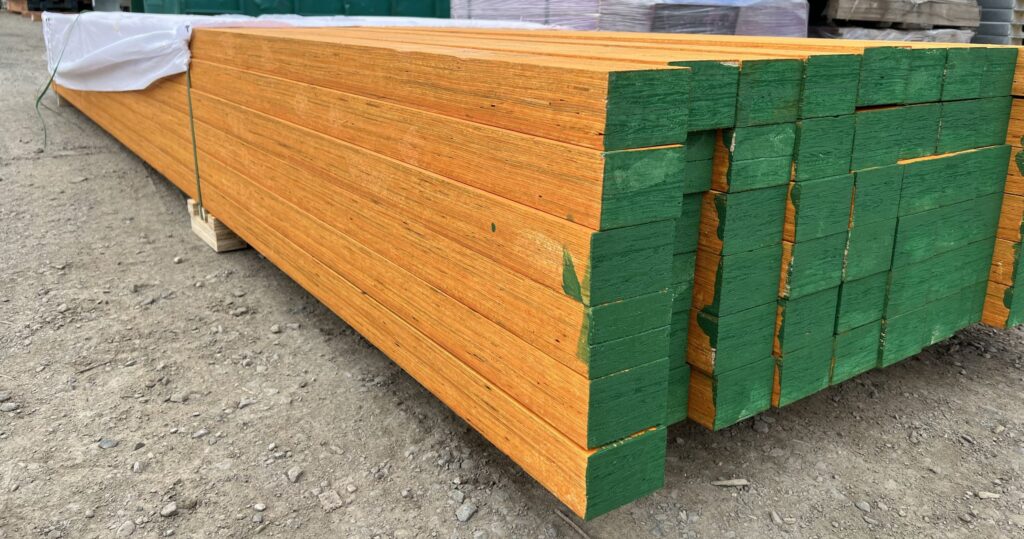
LVL performs best when they store it off the ground, covered, and kept dry, because moisture cycling can damage edges and facings over time. Even so, LVL usually stays straighter than equivalent sawn timber when conditions fluctuate.
Traditional timber is more prone to bowing, swelling, and twisting if they store it poorly or use it wet. Weather exposure can quickly reduce accuracy, which then increases packing, shimming, and bracing to compensate.
Which option is more sustainable and waste-efficient?
LVL can be more waste-efficient because engineered members are consistent and often reused more times, reducing replacement volumes. They may also reduce offcuts if crews standardise lengths and plan layouts.
Traditional timber can generate more waste due to on-site cutting and variable reuse, but it can be sourced locally and repurposed more easily for other tasks. Their sustainability outcome depends on procurement, reuse discipline, and disposal practices.
How should they choose between LVL and traditional timber formwork?
They should choose LVL when the project has repetition, tight tolerances, higher load demands, or schedule pressure where labour savings matter. It suits multi-cycle pours, larger slabs, and situations where consistent alignment reduces downstream costs.
They should choose traditional timber when the work is small, irregular, or highly bespoke, and when a skilled crew can build and adapt quickly using readily available materials. It can be the practical choice when reuse is low and flexibility is the main priority.
FAQs (Frequently Asked Questions)
What are the main differences between LVL formwork and traditional timber formwork?
LVL formwork uses engineered laminated veneer lumber known for its straightness, consistent dimensions, and dimensional stability, making it ideal for repetitive projects requiring tight tolerances. Traditional timber formwork involves sawn pine or hardwood framing with plywood faces, often built on site and suited for irregular shapes, tight access, or bespoke detailing.
Which type of formwork is faster to install and strip on construction sites?
LVL formwork generally allows faster installation and stripping when designs are repetitive and crews can standardise components, due to less time spent correcting bowed or twisted pieces. Traditional timber can be quick for small, simple areas with experienced crews but slows down when timber quality varies requiring more adjustments.
How do LVL and traditional timber formworks compare in delivering concrete finish quality?
LVL formwork typically provides better accuracy and smoother concrete finishes because engineered members maintain straightness and alignment over multiple pours. Traditional timber can achieve high-quality finishes but depends heavily on timber selection, moisture content, and workmanship; it may show face-step, rippling, or alignment drift if framing moves.
What are the durability and reuse expectations for LVL versus traditional timber formwork?
LVL formwork holds shape better across multiple reuse cycles due to engineered stability, often outlasting the facing materials themselves. Traditional timber reuse varies widely; straight, dry stock handled carefully can be reused reasonably, but wet or damaged timber loses accuracy quickly leading to more waste and rework.
How do cost considerations differ between LVL and traditional timber formworks beyond initial purchase price?
While LVL typically has a higher upfront cost, total project costs can decrease through labour savings, reduced waste, fewer defects, and less rework. Traditional timber tends to be cheaper initially but may incur higher overall costs due to increased labour for adjustments, greater material waste, and more frequent replacements especially when quality is inconsistent. More to read : Formwork LVL: why engineers specify it for structural support
When should a construction team choose LVL formwork over traditional timber?
Choose LVL formwork for projects involving repetition, tight tolerances, higher load demands, or schedule pressures where labour efficiency is critical. It suits multi-cycle pours and larger slabs requiring consistent alignment. Opt for traditional timber when work is small-scale, irregularly shaped or bespoke with skilled crews needing flexibility using readily available materials.