
What is LVL Formwork, and how is it different from standard timber?
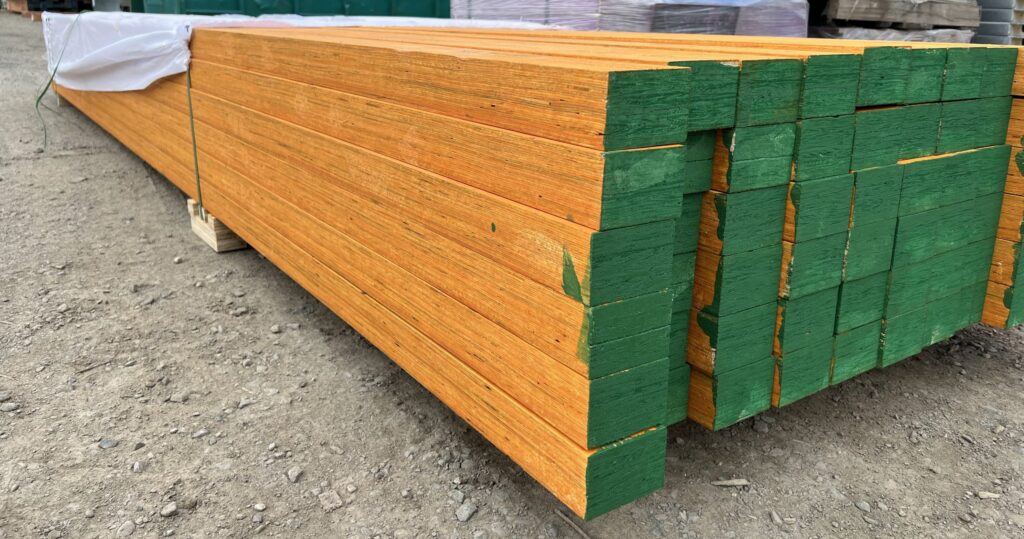
LVL Formwork is made from thin veneer layers bonded together with adhesives and pressed into structural members. Because the grain direction and layup are engineered, it behaves more consistently than sawn timber.
This consistency matters in formwork where deflection, straightness, and connection performance affect both finish quality and safety. LVL Formwork is typically supplied in uniform sizes and grades, which simplifies planning and reduces on-site guessing.
Why do builders trust LVL Formwork for structural reliability?
They trust LVL Formwork because it is manufactured to tight tolerances, making strength and stiffness more predictable from piece to piece. That predictability reduces the risk of weak links in a temporary works system.
When set-out is accurate, repeatable members help crews assemble frames faster and with fewer corrections. LVL Formwork also supports consistent load paths, which is critical when pours are heavy and schedules are unforgiving.
How does LVL Formwork improve accuracy and concrete finish quality?
LVL Formwork is valued for straightness, which helps maintain line, level, and plumb through repeated use. Straighter members can mean fewer deviations that show up as waves, steps, or alignment errors in finished concrete.
Better alignment can also reduce remedial work, especially around corners, soffits, and slab edges. Where finish requirements are strict, LVL Formwork supports the kind of control that site teams want without constant rework.
Where does LVL Formwork save time on site?
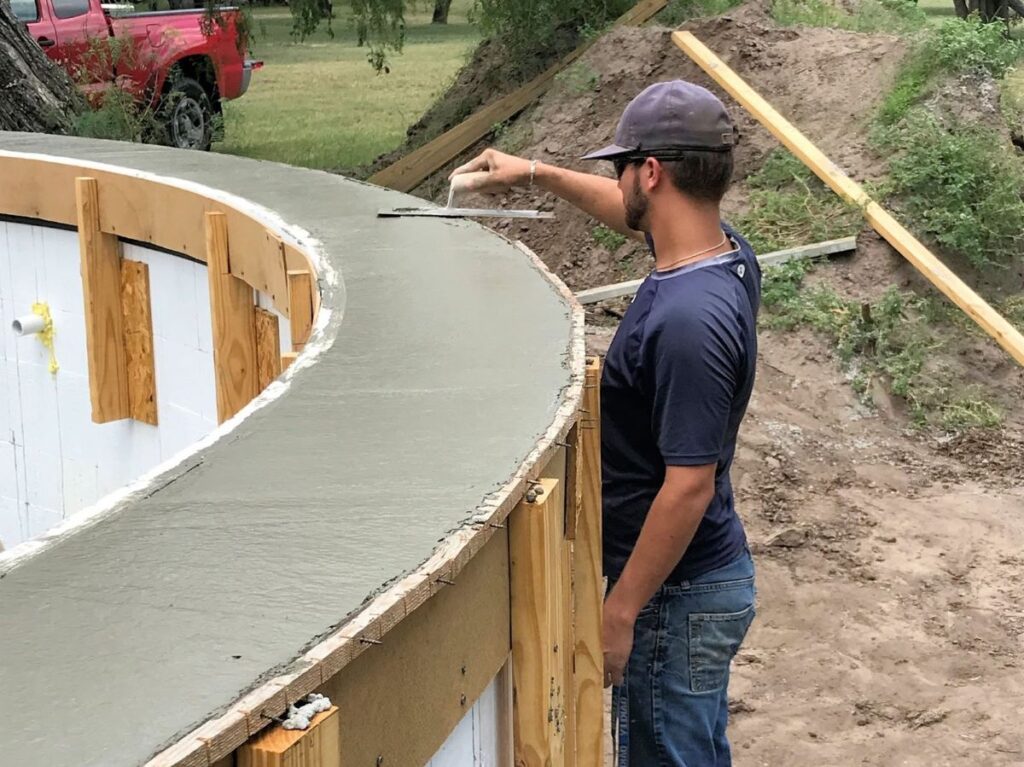
LVL Formwork can speed up cycles by reducing sorting, trimming, and replacing distorted pieces. When members arrive uniform, crews can assemble bays more like a system and less like a one-off build.
They also benefit during striking and re-erection, where straight members re-fit cleanly. Over multiple pours, LVL Formwork can support a rhythm that keeps labour efficient and reduces programme risk. For additional information on formwork materials and applications, visit https://www.safeworkaustralia.gov.au/system/files/documents/1703/guide-formwork.pdf
Does LVL Formwork help control costs over multiple pours?
Yes, because LVL Formwork can offer better reuse potential when handled and stored correctly. Reduced warp and fewer rejected members can mean fewer urgent replacements and less downtime.
They may also see savings in labour, because predictable components reduce “make it work” time. For contractors pricing repeat pours, LVL Formwork can help stabilise both material and productivity assumptions.
How does LVL Formwork perform in changing weather and site conditions?
Engineered timber is still timber, so moisture management matters. But LVL Formwork is often chosen because it tends to be more dimensionally stable than typical sawn alternatives when conditions fluctuate.
They still need good site practice: keep it off the ground, avoid prolonged saturation, and use appropriate sealants or coatings where specified. With sensible storage and handling, LVL Formwork remains reliable across typical UK site conditions.
What should builders look for when selecting LVL Formwork?
They should confirm the product grade, manufacturer documentation, and suitability for the intended temporary works design. The right member size and span capacity must match the loads, pour rates, and support layout.
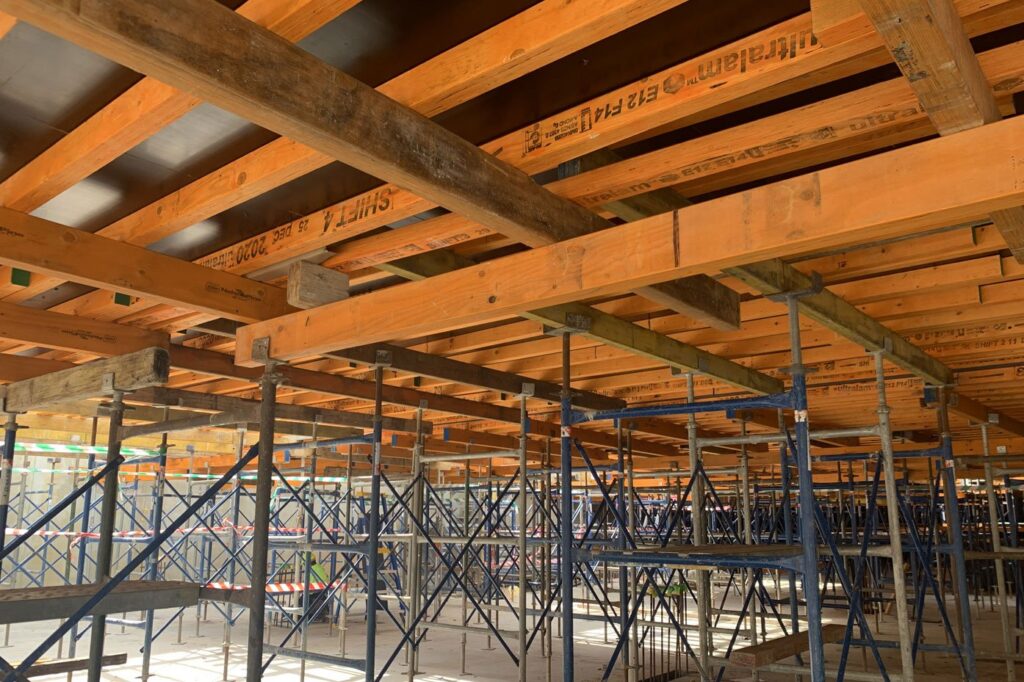
It also helps to check compatibility with brackets, soldiers, walers, and proprietary systems already used on site. When procurement aligns specifications with the design, LVL Formwork integrates smoothly and reduces last-minute changes.
How should LVL Formwork be handled to maximise reuse and safety?
They should lift and stack members correctly, protect edges, and avoid damage around fixing zones. Cleaning down after striking prevents build-up that can affect seating and alignment on the next cycle.
They also need consistent inspections for cracks, delamination, or impact damage, with clear rules for repair or removal. When teams treat LVL Formwork like a reusable engineered component, it tends to deliver better performance and safer assembly. Similar attention to quality control is essential when understanding residential reinforcement requirements during renovation or extension projects.
Is LVL Formwork the right choice for every project?
Not always, but it suits many jobs where repeatable quality and predictable performance matter. Smaller one-off pours may not benefit as much, especially if a simpler solution is already available and compliant.
For multi-storey frames, repetitive slabs, and projects where programme pressure is high, LVL Formwork is often a practical choice. It gives builders a more controlled temporary works foundation, which is exactly what reliable construction support is meant to provide.