
What are rebars, and why do they matter in a home?
Rebars are steel reinforcing bars placed inside concrete to help it resist tension and bending. In simple terms, concrete handles compression well, while steel handles pulling forces, so the pair work as a system.
In residential construction, reinforcement is typically placed in foundations, suspended floors, retaining walls, beams, and slabs. When reinforcement is inadequate, it can lead to structural issues and costly repairs. For quality reinforcement solutions, explore reobars at https://covertprocurement.com.au/product/reo-bar-safety-protection-strips-1m-in-length/ to support strong and reliable building outcomes.
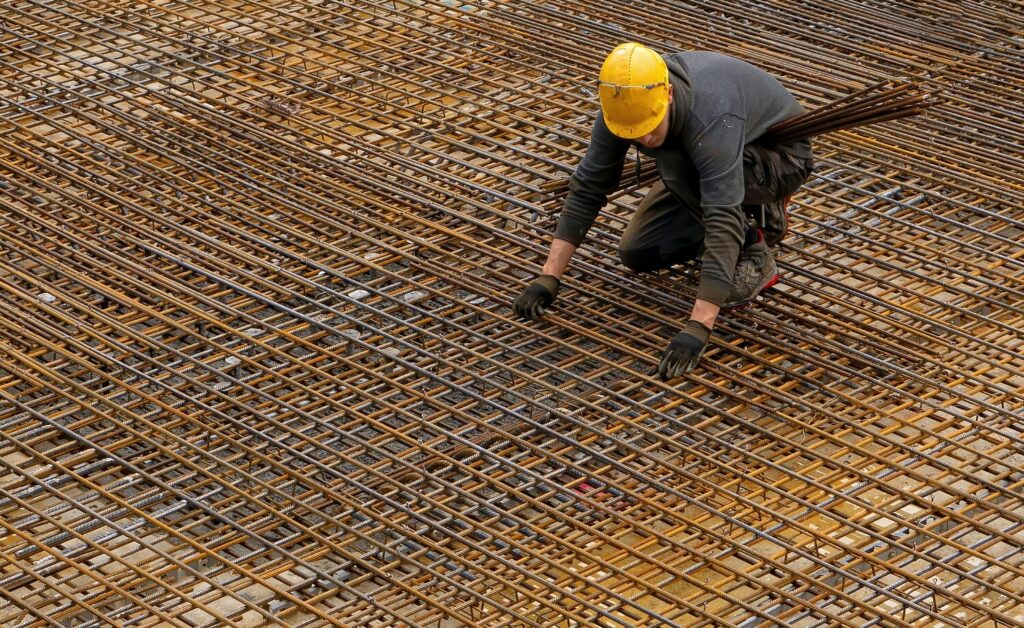
Where are rebars typically used in residential renovations and extensions?
They are most often used anywhere new concrete must carry load or restrain movement. That includes strip foundations for an extension, a raft foundation on weaker ground, or a slab for a kitchen-diner knock-through.
In rebars in residential projects, they may also appear when adding steel beams with concrete padstones, building a garage conversion with a new slab, or forming a retaining wall for a split-level garden. If drawings mention “RC” (reinforced concrete), rebars are involved.
Who decides the rebar size and layout, and can a builder “make it work”?
A structural engineer or appropriately qualified designer specifies bar size, spacing, shape, and placement. They also decide concrete cover, lap lengths, and any special detailing around openings or corners.
For rebars in residential projects, a builder should not improvise because small changes can reduce capacity or durability. If site conditions differ from the plan, the correct route is to raise an RFI-style query and get the engineer to revise details, not to “add a bit more steel” at random.
What do homeowners need to check before work starts?
They should ensure the engineer’s drawings are issued for construction and match the latest architectural revision. They should also confirm Building Control has the structural information required for inspection stages. Learn more about structural inspection requirements to understand how accurate documentation supports smoother regulatory approvals.
With rebars in residential projects, it is worth asking who is supplying and cutting the steel, whether bar bending schedules are provided, and how inspections will be recorded. Photos before concrete is poured can be very useful if questions arise later.
What common rebar mistakes cause problems later?
The most frequent issue is incorrect placement, such as bars sitting too low in a slab or too close to the surface. Poorly tied steel can shift during the pour, and missing spacers can reduce cover.
In rebars in residential projects, other recurring mistakes include wrong bar diameters, inadequate laps, cutting bars at corners instead of bending them, and placing reinforcement over soft ground without proper support. These errors may not show immediately, but they can shorten lifespan and trigger cracking or corrosion.
How does concrete cover affect durability, especially in UK conditions?
Concrete cover is the thickness of concrete between the rebar and the surface. Adequate cover protects steel from moisture and oxygen, slowing corrosion and helping the concrete maintain strength over time.
Because rebars in residential projects often sit in damp ground or exposed external elements, poor cover is a long-term risk. If steel rusts, it expands, which can crack concrete from the inside. That is why spacers, chairs, and correct compaction are not “nice to have” details.
What should they expect during Building Control inspections?
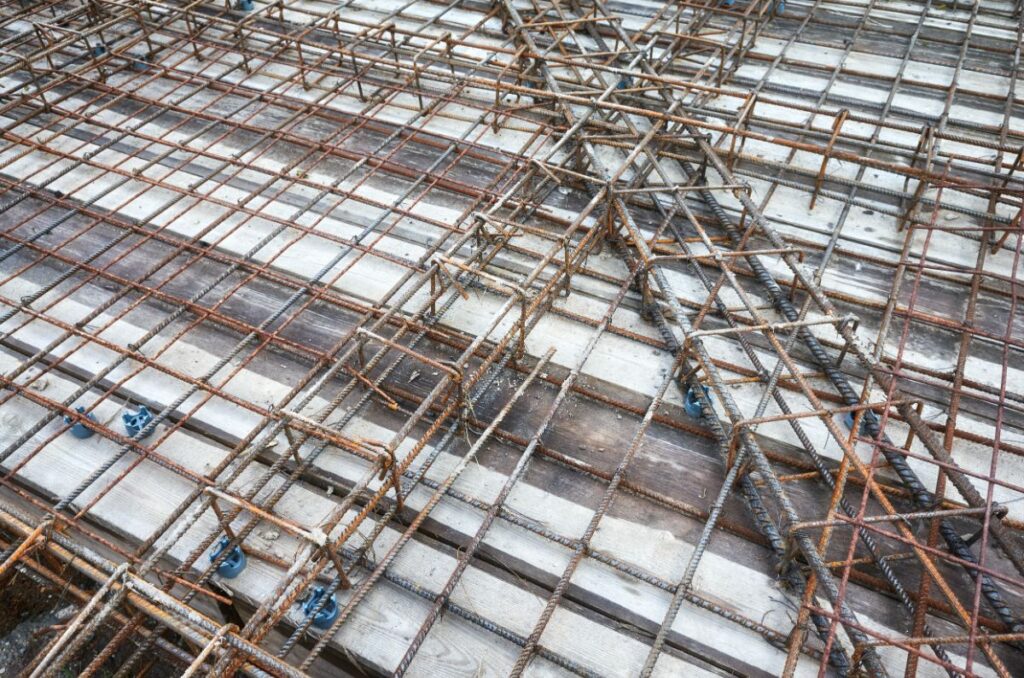
Typically, Building Control wants to see excavations, then reinforcement before concrete is poured. They may check dimensions, ground conditions, bar placement, and that details match the engineer’s design.
On rebars in residential projects, homeowners can help by ensuring the builder books inspections at the right time. If concrete is poured before sign-off, it may lead to extra exposure works or intrusive checks, which add cost and delay. Click here to explore engineered timber formwork solutions designed to provide reliable support across a range of construction applications.
How do ground conditions and drainage influence rebar requirements?
Soil type, water table, nearby trees, and existing foundations all affect design. Clay shrink-swell, made ground, or high groundwater can push engineers towards deeper foundations, rafts, or more robust reinforcement.
In rebars in residential projects, drainage changes can matter too. Redirecting downpipes, adding patio levels, or altering gradients can increase moisture around foundations, so the structural solution may need to be coordinated with landscaping and rainwater goods.
Are there different types of rebar, and do they matter for a home extension?
Yes. Most domestic work uses ribbed, high-yield carbon steel bars, but bar grade, diameter, and corrosion protection can vary. In some situations, stainless steel reinforcement or epoxy-coated bars are used to resist corrosion, though cost is higher.
For rebars in residential projects, the “type” matters less than correct detailing and placement, but aggressive environments, coastal exposure, or water-retaining features can change the specification. Homeowners should avoid substituting materials without written approval from the engineer.
How can homeowners reduce risk without becoming structural experts?
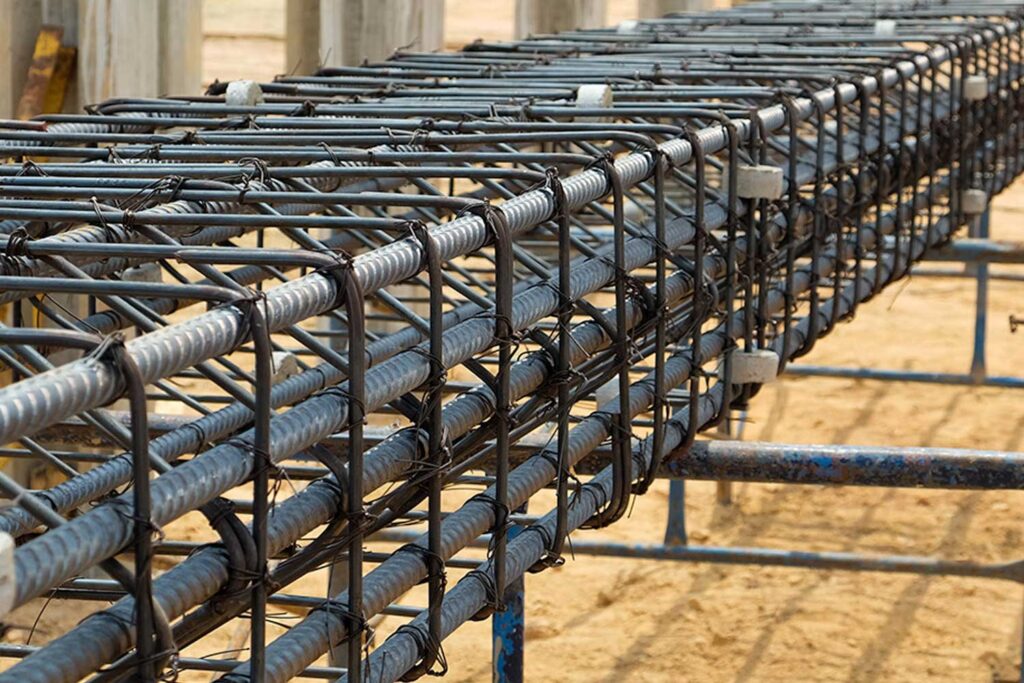
They can focus on process rather than calculations. That means hiring a qualified structural engineer, insisting on clear drawings, and using a builder who is comfortable working to specification.
For rebars in residential projects, they can also request a pre-pour checklist: correct excavation depth, blinding where required, spacers in place, reinforcement tied, openings formed, and inspection booked. A quick site visit by the engineer before the pour can be money well spent, especially on larger extensions.
What should they do if they suspect the rebar work is wrong?
They should pause the pour if concrete has not yet been placed and contact the engineer immediately. If concrete has already been poured, they should document everything, including photos, delivery tickets, and dates, then ask for an engineer’s assessment.
When rebars in residential projects go wrong, fixes can range from localised strengthening to partial demolition, so early action matters. It is usually cheaper to delay a day than to correct hidden defects months later.
What is the simplest takeaway before they renovate or extend?
Rebar is not a visible finish, but it is part of what makes new rooms feel permanent and safe. If they treat the reinforcement stage as a key milestone, they avoid many of the expensive surprises that appear after plastering and flooring are done.
For rebars in residential projects, the smartest move is simple: use proper design, insist on correct installation, and never pour concrete until the steel has been checked.