
What counts as pool restoration, and what is just maintenance?
Pool restoration covers structural, surface, and equipment work that brings an older or damaged pool back to safe, attractive condition. It goes beyond weekly vacuuming, balancing chemicals, and skimming leaves.
Typical restoration work includes resurfacing, repairing cracks, replacing coping or tiles, fixing leaks, upgrading filtration, and addressing persistent staining. Maintenance keeps a pool running. Restoration fixes what is worn out, failing, or no longer compliant.
When does DIY make sense for an Australian backyard pool?
DIY can make sense when the work is low risk, low complexity, and easy to reverse if something goes wrong. For many households, that is basic cleaning, simple water testing, and small cosmetic touch ups.
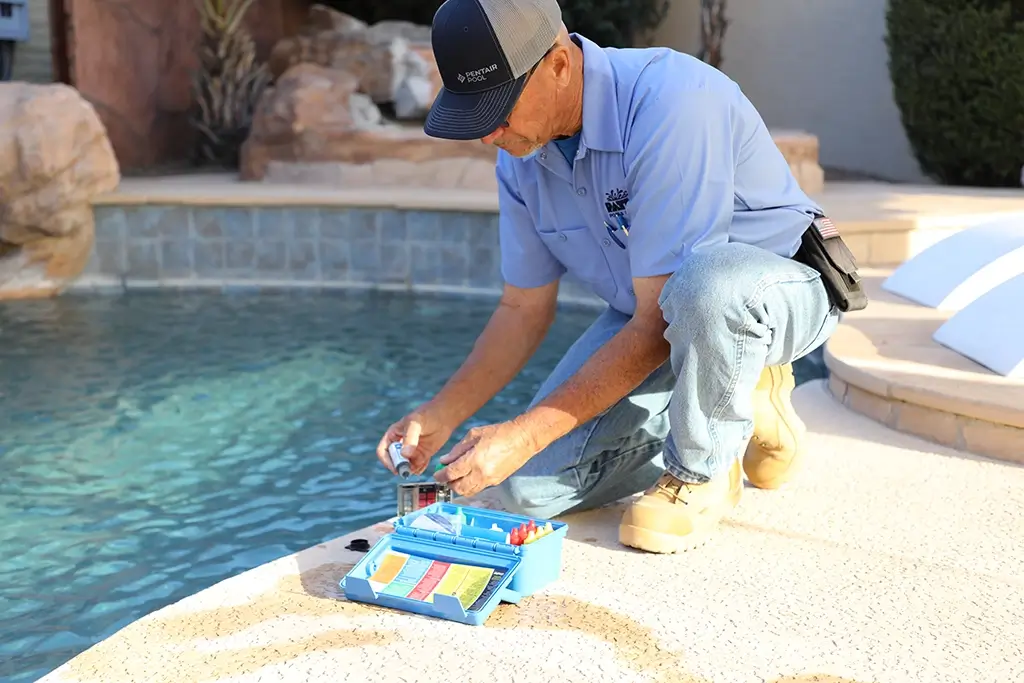
They may also manage minor tasks like replacing baskets, cleaning filters (as per manufacturer guidance), or swapping a pool light globe if access is safe and power is isolated. DIY is usually best when it does not involve structural changes, waterproofing, or hidden leak detection.
What do they risk by doing pool restoration themselves?
The biggest DIY risk is spending money twice: once on materials, and again on a professional to fix mistakes. With pool restoration, small errors can create bigger failures over time.
Common risks include poor surface prep, incompatible products, incorrect curing times, and accidentally worsening a leak. Safety is also a factor, especially around electrical components, dust from grinding, and chemical handling. In Australia, they may also run into compliance issues if work affects barriers or drainage.
How can they tell whether the problem is cosmetic or structural?
If the pool looks rough but holds water and runs reliably, it may be cosmetic. If they see dropping water levels, recurring algae despite correct chemistry, or cracks that widen, it may be structural.
Signs that lean structural include hollow sounding render, lifting tiles, soft spots under coping, rust stains from reinforcing steel, and wet patches around the pool shell. When symptoms are unclear, a professional assessment can confirm whether pool restoration is required or whether targeted repairs will do.
What are the most common DIY jobs, and where do they go wrong?
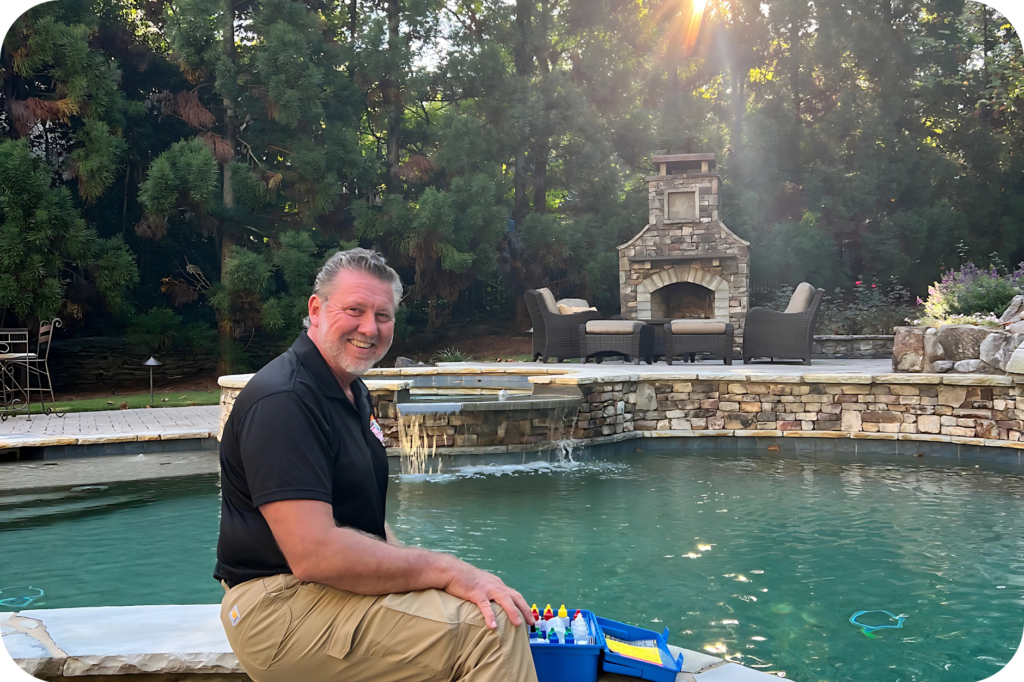
The most common DIY jobs are acid washing, stain treatments, patching small chips, and replacing small hardware. These can work when done carefully, but they are also where many people overestimate how simple the process is.
They often go wrong by using harsh acids too frequently, treating stains without identifying the source, patching without proper bonding, or sanding unevenly. DIY fixes can also hide problems rather than solve them, delaying the right pool restoration until damage spreads. Reviewing a pool maintenance and repair guide can help identify common issues early and avoid temporary fixes that may lead to more costly repairs.
How much does DIY really cost once tools, materials, and time are counted?
DIY looks cheaper until everything is added up. They may need grinders, sanding pads, PPE, chemicals, patch compounds, sealers, and disposal costs, plus a trailer or delivery fees. Time is a cost too, especially if the pool is out of action for weeks.
If they need to redo sections due to adhesion failure or staining returning, costs climb quickly. DIY also carries the risk of buying the wrong product for their surface type, which can derail a pool restoration plan fast.
What does a professional pool restoration service typically include?
A professional will usually start with inspection, testing, and a clear scope of work. Their quote often includes surface preparation, repairs, product selection, application, and curing guidance, plus recommissioning the pool.
For pool restoration, they may also coordinate trades for tiling, plumbing, and electrical work. Many teams use commercial grade materials and proven prep methods, which matters because surface prep is where most long term results are won or lost.
How do Australian conditions affect the decision to DIY or hire a professional?
Australian sun, heat, and variable rainfall can punish pool surfaces and equipment. UV exposure accelerates fading and can break down some coatings. High evaporation and heatwaves can also concentrate minerals and increase scaling.
In coastal areas, salt air can corrode metal components faster. In leafy suburbs, organic load drives algae pressure. These conditions make correct materials, curing windows, and chemistry balance important, which is why pool restoration often benefits from local experience.
Are there safety or compliance issues they should consider in Australia?
Yes. Electrical work near pools is high risk and generally not DIY territory. If lights, pumps, or wiring need changes, they should use licensed professionals. Chemical handling also matters, especially acids and chlorine products.
They should also consider pool barrier and gate compliance, which varies by state and territory and is taken seriously during property sales and inspections. While pool restoration does not always involve barriers, upgrades and landscaping changes can accidentally create non-compliant climb points or access paths. Homeowners can refer to a pool safety compliance checklist to better understand essential requirements and maintain a safer pool area.
How long will DIY take compared with professional pool restoration?
DIY timelines often blow out. What they plan as a long weekend can become several weekends, especially if weather turns or prep takes longer than expected. Drying and curing times also add delay.
Professional scheduling can still depend on weather, but experienced teams usually complete pool restoration faster because they have the right tools, crew size, and process. Less downtime can matter if they want the pool ready for school holidays or a home event.
What results can they realistically expect from DIY?
DIY can deliver acceptable results for small, clearly defined tasks, especially when they are patient and follow product instructions exactly. It can also be satisfying for hands on homeowners.
However, DIY rarely matches the uniform finish, surface durability, and warranty support that comes with professional pool restoration. If the goal is a “near new” look, consistent texture underfoot, and fewer ongoing issues, DIY may not hit the mark.
What are the clearest signs it is worth calling a professional?
It is worth calling a professional when the issue affects structure, waterproofing, or core systems. If they notice persistent water loss, cracking, delamination, failing tiles, or repeated water quality problems, it is time.
It is also worth it when the pool is older and multiple issues stack up at once. In those cases, bundled pool restoration can be cheaper than chasing individual fixes over several summers.
How should they choose the right pool restoration specialist in Australia?
They should look for clear scoping, transparent pricing, and evidence of similar work in their area. Good providers explain prep steps, materials, and realistic outcomes without overselling.
They can ask about warranties, timelines, and how the team manages weather delays. They should also confirm who is handling plumbing and electrical tasks. For pool restoration, clear communication matters because surprises often appear once surfaces are stripped back.
Is pool restoration worth it compared with patching and hoping for the best?
For many households, yes. Pool restoration can extend the pool’s life, reduce ongoing chemical and repair costs, and improve safety and comfort. A smooth, stable surface is easier to clean and less likely to harbour algae. Reviewing a pool restoration benefits guide can also help homeowners understand when restoration is a practical alternative to full replacement and how it can improve long-term pool performance.
Patching can be fine as a short term step, but it often becomes an annual cycle. When they add up time, frustration, and repeated spend, restoration can be the more economical choice.
What is the bottom line on pool restoration vs DIY?
DIY suits small, low risk tasks and owners who can accept “good enough” outcomes. When the pool has leaks, failing surfaces, or multiple ageing components, professional pool restoration is usually the smarter investment.
If they are unsure, a paid inspection can clarify the true cause and cost. That single step often prevents wasted DIY spend and helps them plan a restoration that lasts.