
On most Australian building sites, steel reinforcement is just called reo, and the question comes up fast. Which bar size goes where, and where does it absolutely not belong?
This guide breaks down common reo bar sizes in Australia, where they are typically specified, and the situations where using them is asking for trouble. It is general info only. The engineer’s drawings and the relevant Australian Standards always win.
What do people mean when they talk about reo bar sizes?
They are usually referring to the diameter of deformed reinforcing bar in millimetres, like N12, N16, N20 and so on. In Australia the “N” commonly indicates a deformed bar with specified ductility and strength to AS/NZS requirements.
In practice, reo bar sizes affect capacity, crack control, spacing, congestion, lap lengths, and how easy it is to place and vibrate concrete properly.
Where are small reo bar sizes (like N10 and N12) commonly used?
They are commonly used in light residential slabs, footpaths, small pads, and general crack control where loads are modest. They are also used where tight spacing is needed without creating a cage that is impossible to concrete around.
On Australian housing jobs, reo bar sizes in the N10 to N12 range often show up as trench mesh, ligatures, starter bars, and secondary bars around openings.
Where are small reo bar sizes not a good idea?
They are not a good idea where the design needs higher bending capacity, longer spans, heavy point loads, or significant uplift. Using a smaller bar to “make it fit” can be a quiet structural failure waiting to happen.
Small reo bar sizes are also a poor choice in highly aggressive exposure zones if cover, detailing, and durability design are not very carefully handled.
Where are medium reo bar sizes (like N16 and N20) typically used?
They are typically used in suspended slabs, beams in low to mid-rise structures, retaining walls, and heavily loaded residential elements. They strike a balance between capacity and buildability, which is why they appear so often on Australian engineering drawings.
In many commercial and industrial projects, reo bar sizes around N16 and N20 are the everyday workhorses for flexural reinforcement.
Where are medium reo bar sizes not usually used?
They are not usually used when bar congestion becomes a placement problem, such as heavily reinforced beam column joints or tight edge thickenings. Sometimes the design shifts to fewer larger bars or more smaller bars, depending on spacing rules and detailing.
Medium reo bar sizes can also be the wrong pick for very thin elements, where minimum cover and bar spacing requirements leave little real concrete between steel and the formwork.
Where do large reo bar sizes (like N24, N28, N32) get used?
They get used where the loads and spans justify it, like transfer beams, columns, deep beams, heavy footings, pile caps, and large retaining structures. On major Australian infrastructure and commercial builds, bigger bars reduce the number of bars needed, which can help simplify some cages.
Large reo bar sizes also appear where high moments or high axial forces drive the design, provided spacing and anchorage can still be achieved.
Where should large reo bar sizes be avoided?
They should be avoided where they cause reinforcement congestion and poor concrete consolidation. If concrete cannot flow around the bars and be vibrated effectively, honeycombing and durability issues can follow.
Large reo bar sizes can also be impractical in thin walls, thin toppings, or tight architectural elements, where minimum cover, bar spacing, and bend radii become a constant battle on site.
Where are reo bar sizes used in house slabs and footings in Australia?
They are used to resist bending, control cracking, and tie slab and footing elements together in a predictable way. Typical places include edge beams, internal beams, stiffening ribs, pads under load bearing points, and around penetrations.
In residential work, reo bar sizes are normally set by the engineer based on soil class, slab type, articulation, and site drainage. Swapping sizes without approval is a big no.
Where are reo bar sizes not interchangeable in residential work?
They are not interchangeable anywhere the bar schedule calls up a specific diameter, spacing, and lap. A “close enough” change can alter steel area, development length, and crack control, even if it looks similar to the naked eye.
With reo bar sizes, the issue is not just strength. It is also serviceability, durability, and whether the reinforcement can physically be installed to match the drawings.
Where are reo bar sizes used in retaining walls and basement walls?
They are used to resist lateral soil and water pressure, typically with vertical main bars and horizontal distribution steel. Australian retaining walls can be deceptively loaded, especially with poor drainage, reactive soils, or surcharge loads from driveways and structures.
In these walls, reo bar sizes are selected with cover, crack control, and bar spacing in mind, not just ultimate strength.
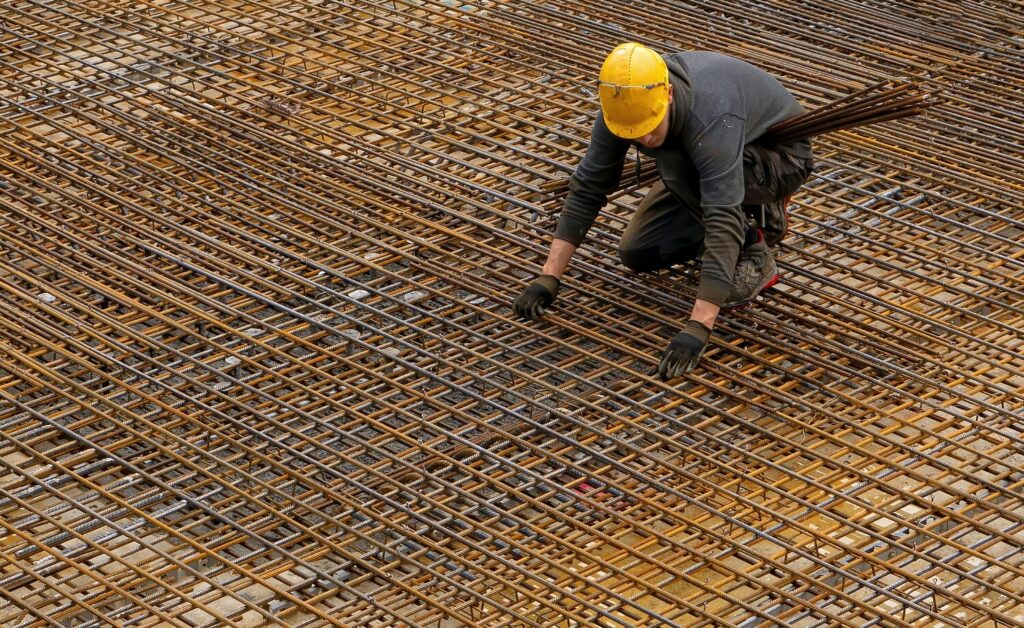
Where are reo bar sizes not appropriate in retaining walls?
They are not appropriate when the detailing does not allow correct laps, hooks, or anchorage into footings and returns. A retaining wall can have plenty of steel and still fail if the bars are not developed properly into the base.
Also, reo bar sizes that are too large for the wall thickness can force reduced cover or poor consolidation, which is a durability red flag in Australian ground conditions.
Where are reo bar sizes used in suspended slabs and balconies?
They are used to manage bending moments, shear zones, and cracking, particularly at supports and cantilevers. Balconies and external suspended slabs in Australia also face harsher exposure, which makes correct cover and detailing essential.
For these elements, reo bar sizes are often chosen to balance spacing, deflection control, and constructability, so the concrete pour can actually be executed cleanly.
Where are reo bar sizes not used the way people expect in suspended work?
They are not used simply by “going thicker” everywhere. Increasing bar diameter without adjusting spacing and detailing can create congestion at columns, band beams, and around penetrations, which makes placement worse, not better.
In suspended structures, reo bar sizes must work with bar chairs, cover requirements, and pour sequences. Otherwise, they end up with steel in the wrong place, even if the steel is “strong enough”.
Where are reo bar sizes used in driveways, paths, and pavements?
They are used mainly for crack control and load distribution, especially where there are vehicle loads, poor subgrade, or differential movement. Many Australian driveways use mesh rather than individual bars, but bars still show up at thickened edges, joints, and around services.
Here, reo bar sizes and spacing are usually more about controlling shrinkage cracking than chasing high structural capacity.
Where are reo bar sizes not necessary in flatwork?
They are not always necessary in lightly loaded paths on good ground with well prepared subbase and appropriate joints. Sometimes proper thickness, compaction, and jointing do more than extra steel ever will.
But if reo bar sizes are specified on the drawing, the decision has already been made by design. The right move is to follow that, not the neighbour’s rule of thumb.
Where are reo bar sizes controlled by Australian Standards and engineering design?
They are controlled by engineering design assumptions and the detailing rules that sit behind AS 3600 for concrete structures, plus AS/NZS 4671 for steel reinforcement supply. In other words, it is not just preference, it is compliance, safety, and performance.
In Australia, reo bar sizes are tied to minimum steel ratios, spacing limits, cover, laps, and development length calculations that cannot be guessed accurately on site.
Where are reo bar sizes most often misused on Australian sites?
They are most often misused when people substitute sizes due to stock availability, or when bars are cut and spliced without respecting lap lengths and bar marks. Another common issue is using a bar size that “fits” the formwork, while quietly reducing cover or changing bar position.
When reo bar sizes are wrong, the concrete still gets poured. The problem may only show up later as cracking, corrosion, or movement that should not be there.
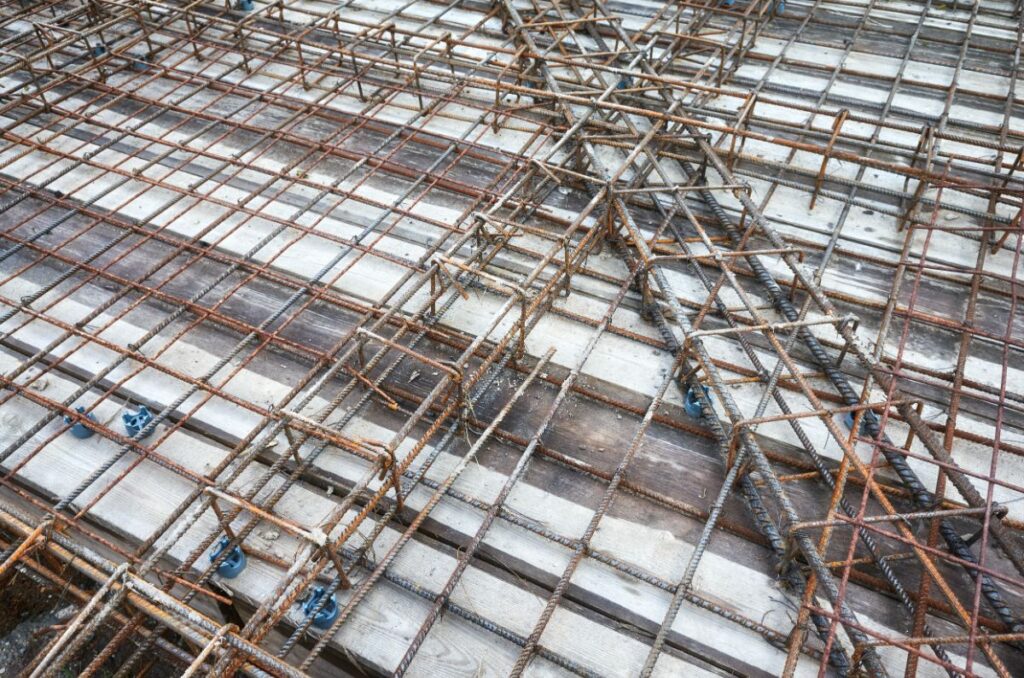
What is the simplest way to know where reo bar sizes are used and where they are not?
They are used where the structural drawings, bar schedule, and specifications say they are used. They are not used where those same documents do not call for them, or where the change has not been checked and approved by the project engineer.
If there is any uncertainty about reo bar sizes, the practical Australian answer is simple. Stop, confirm the bar mark against the schedule, and get written engineering clarification before the pour.
More to Read : Is Cheap Chain Mesh Worth It?
FAQs (Frequently Asked Questions)
What are reo bar sizes and how are they designated in Australia?
Reo bar sizes in Australia refer to the diameter of deformed reinforcing bars measured in millimetres, commonly indicated by an ‘N’ followed by the size number, such as N12, N16, or N20. The ‘N’ denotes a deformed bar meeting specified ductility and strength requirements according to AS/NZS standards.
Where are small reo bar sizes like N10 and N12 typically used on Australian building sites?
Small reo bar sizes such as N10 and N12 are commonly used in light residential slabs, footpaths, small pads, and general crack control areas where loads are modest. They’re also employed for tight spacing needs without causing concrete placement issues, often appearing as trench mesh, ligatures, starter bars, and secondary bars around openings in housing projects.
In which scenarios should small reo bar sizes be avoided?
Small reo bars should not be used where higher bending capacity, longer spans, heavy point loads, or significant uplift forces are expected. Using smaller bars to fit a design can lead to structural failure. Additionally, they are unsuitable in highly aggressive exposure zones unless cover, detailing, and durability designs are meticulously managed.
What applications suit medium reo bar sizes like N16 and N20?
Medium reo bar sizes such as N16 and N20 are typically used in suspended slabs, beams for low to mid-rise buildings, retaining walls, and heavily loaded residential elements. They offer a good balance between structural capacity and ease of construction and are commonly specified on Australian engineering drawings for commercial and industrial flexural reinforcement.
When should large reo bar sizes like N24, N28, or N32 be used or avoided?
Large reo bars are appropriate for elements with high loads and spans such as transfer beams, columns, deep beams, heavy footings, pile caps, and large retaining structures. They help reduce the number of bars needed and simplify reinforcement cages. However, they should be avoided where they cause congestion that impedes concrete flow and vibration or in thin walls and architectural elements where minimum cover and spacing cannot be maintained.
Why is it important not to interchange reo bar sizes without engineer approval in residential work?
Interchanging reo bar sizes without approval can alter critical factors like steel area, development length, crack control effectiveness, serviceability, durability, and installation feasibility. Even minor changes can compromise structural integrity because the design specifies exact diameters, spacing, and laps that must be followed precisely to ensure safety and performance.