
What makes LVL formwork timber suitable for concrete formwork?
LVL formwork timber is suitable when it can handle wet concrete pressures, repeated use, and tough site handling without excessive deflection or edge damage. They should look for LVL that is clearly intended for formwork applications, not just general structural use, because the finish, adhesive system, and tolerances can differ.
They can start by confirming the product is sold as formwork LVL and checking how it is typically used in Australia: bearers, joists, walers, and strongbacks. If the supplier cannot explain typical spacing, reuse expectations, and protection requirements, it is a sign they may be selling a generic LVL line.
They should also match section sizes to the system they run. A product might be technically strong enough, but if it does not suit their clips, props, or modular panels, it will slow down cycles and increase modification on site.
How can they judge strength and stiffness before they buy?
They can judge it by focusing on stiffness first, then strength, because excessive deflection is what usually shows up in the finish and forces rework. In practice, LVL formwork timber that stays stiff under load helps maintain line and level, especially on suspended slabs and long runs.
They should ask for the engineering properties and compare like-for-like: modulus of elasticity (stiffness) and characteristic bending strength. If the supplier only talks about “high strength” without providing values, they are making it hard to compare products properly.
They should also consider span tables and typical formwork spacings used on Australian sites. If their crew routinely pushes spans to speed up installation, a stiffer LVL can reduce bounce and sag, and it can help maintain a flatter soffit line.
Just as importantly, they should confirm the product is consistent from length to length. LVL is manufactured for uniformity, but quality varies between brands and batches, and small differences can compound across large pours.
What quality and consistency checks reduce site issues?
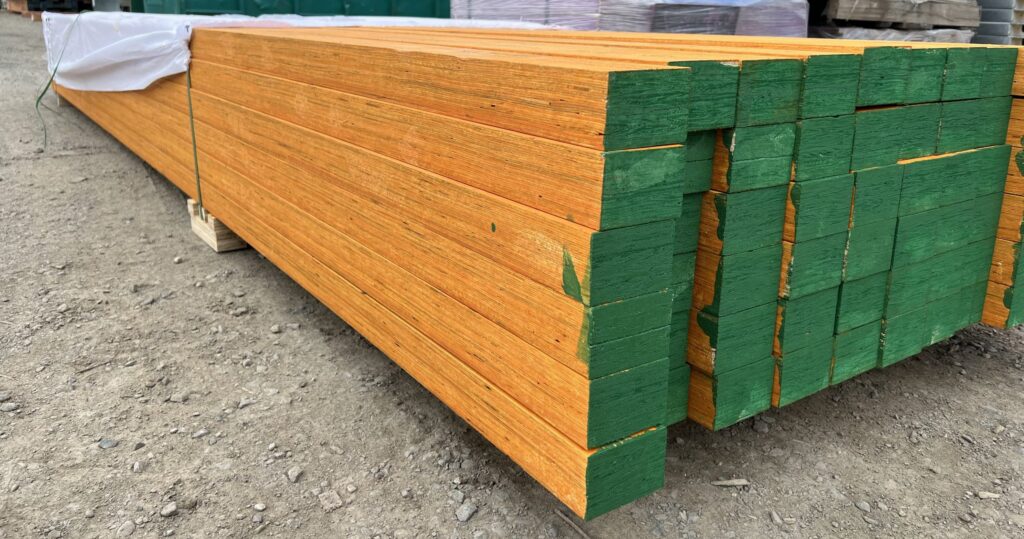
They can reduce site issues by checking straightness, dimensional tolerance, and edge durability before committing to volume. LVL formwork timber that arrives bowed, twisted, or inconsistent in thickness will slow installation and can create lips at joins and uneven support lines.
They should ask how the supplier stores and transports packs. Poor storage can introduce moisture variation and warp, particularly if packs sit exposed on yards or are delivered without adequate wrapping in wet weather. Reviewing a plywood storage and handling guide can also help ensure materials remain stable and maintain their expected performance before use.
They can also request information about finish and edge protection. On formwork, edges get knocked, nailed, and reused. If edges crumble easily, their crew will waste time cutting back, sistering members, or overpacking to keep levels.
If they are buying for repeated cycles, they should think about how the timber will be treated on site. Even the best LVL performs poorly if it is left in puddles, dragged through mud, or stored flat in the rain. A good supplier will give clear handling guidance, not just a price.
Why do durability and moisture resistance matter on Australian sites?
They matter because Australian conditions swing from hot, dry days to sudden rain, and formwork timber often lives outdoors between pours. LVL formwork timber that handles moisture changes with fewer surprises helps crews maintain set-out and reduces the amount of time spent reworking levels.
They should check what the product is designed to tolerate: incidental wetting is normal, but persistent saturation is a different story. If they are working in coastal areas like Newcastle, the Gold Coast, or Perth’s western suburbs, salt-laden air and damp storage can be harsher on materials and fixings.
They can also look at how well the product holds fasteners when wet-dry cycling occurs. Nail and screw holding affects bracing, walers, and temporary works connections. If fasteners loosen, the whole system becomes harder to keep tight and aligned.
They should plan their protection approach too. Simple habits, like storing packs on bearers, keeping wrapping intact, and using tarps properly, often deliver more real durability than chasing a marketing claim.
What compliance and documentation should they ask for in Australia?
They should ask for documentation that supports fit-for-purpose use and aligns with Australian expectations for engineered wood products. For LVL formwork timber, that means they can request product data sheets, engineering properties, and any relevant certification information the supplier provides. A construction material compliance checklist can also help builders review essential documents and confirm that products meet project requirements before installation.
They should also look for traceability. If a site has a defect or an unexpected performance issue, being able to identify the product batch and supplier records matters. It supports smoother resolution and can reduce downtime during investigations.
If they are working under a head contractor with strict QA, they should confirm what paperwork is required for project documentation. Some projects will want material certificates on file, and it is easier to get this sorted before delivery than after the pour is booked.
They should be wary of vague listings or imports that do not come with clear Australian-facing documentation. If the supplier cannot provide a proper product pack, their QA team may reject the material, even if it looks fine.
How should they balance price against reuse and total cost?
They should balance price by calculating cost per pour, not cost per length. LVL formwork timber that is cheaper upfront can still cost more if it warps, chips, or gets downgraded after a few cycles, forcing extra purchases and increasing labour time.
They can ask suppliers a simple question: what reuse count do most Australian crews achieve with this product when it is handled well? While reuse depends on site practices, a credible supplier should be able to provide realistic ranges based on typical residential, commercial, or civil workflows.
They should also factor in waste and offcuts. If they often cut down long lengths to suit beams and drop panels, choosing lengths that match their common layouts can reduce offcut piles and save time in the cutting zone.
Freight and availability matter too. A slightly higher price can be justified if the supplier can deliver reliably across Sydney, Melbourne, Brisbane, Adelaide, or regional hubs without long lead times that blow out the program.
What are the three top things they should prioritise when buying?
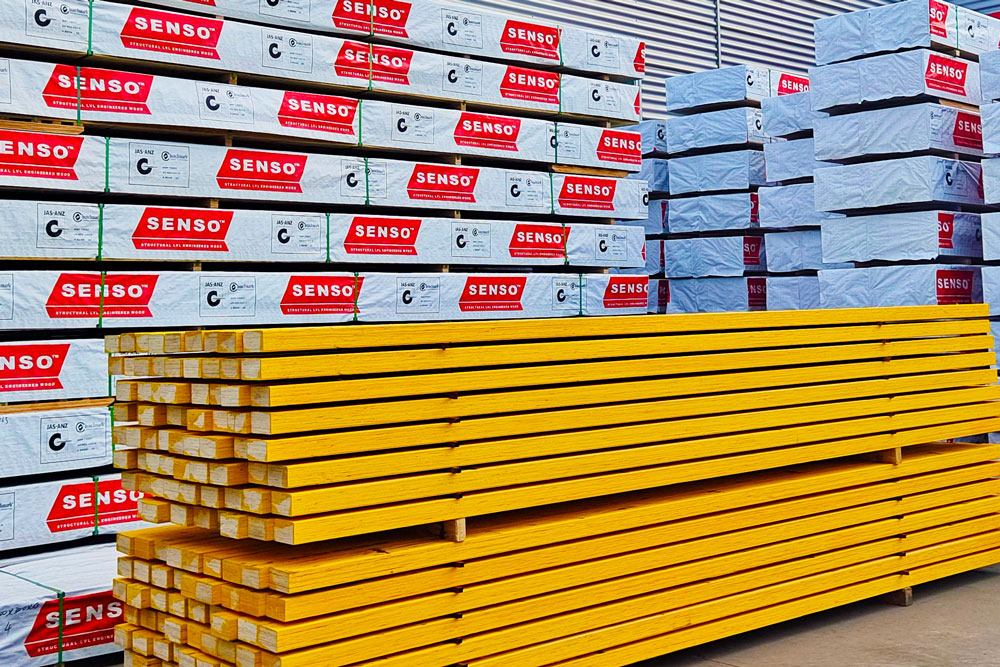
They should prioritise performance suitability, consistency, and documentation, in that order. These three checks cover most of the problems that show up later as uneven soffits, slow installs, and rejected deliveries.
First, they should confirm the LVL is truly fit for formwork and stiff enough for their spans and cycle times. Second, they should verify quality and consistency so packs arrive straight, true, and durable in handling. Third, they should secure the paperwork needed for Australian project QA and traceability. Using an LVL formwork quality checklist can also help buyers assess product suitability, supplier documentation, and key performance factors before making a purchase.
When they apply these checks, they are more likely to choose LVL formwork timber that holds line, reduces patching, and keeps their pours moving.
How can they make a quick, practical decision before ordering?
They can make the decision by running a short checklist and insisting on clear answers. For LVL formwork timber, a quick pre-order process often prevents the biggest headaches.
They can ask:
- Is it sold and supported as LVL formwork timber for Australian jobsite use?
- What stiffness and strength values are provided, and do they suit the spans they run?
- What tolerances and straightness standards are typical, and how is it stored and delivered?
- What documentation is available for QA, traceability, and project file requirements?
- What is the realistic cost per pour based on expected reuse and waste?
If the supplier answers clearly and backs it with data, they are easier to trust when timelines tighten. If the answers are vague, it is usually safer to compare another option before they commit.
By keeping the focus on these three priorities, they can buy LVL formwork timber with confidence, reduce rework, and protect the program on Australian sites.