
This guide breaks down what they should check before buying, so the plywood performs predictably on Australian sites.
What exactly is formply, and why does it matter on Australian sites?
Formply is a structural plywood made for concrete formwork, typically with a durable film face that helps resist moisture and concrete adhesion. In Australian conditions, heat, rain, and rough handling can quickly expose low-grade sheets, so the right spec can reduce blowouts, surface defects, and rework.
For teams comparing options, Formply Australia choices should be treated as a performance purchase, not just a price-per-sheet purchase.
Which Australian standards and markings should they check first?
They should look for clear grade and bond information, plus traceability from a reputable manufacturer or importer. On many sites, the practical check is whether sheets are sold with consistent documentation and markings that match what the project expects.
If they are unsure what to ask for, a supplier familiar with Formply Australia compliance expectations should be able to explain the sheet grade, bond type, and intended use without guessing.
How do they choose the right thickness and sheet size for the job?
They should match thickness to the span, load, and framing system, not just what is common at the local yard. Common formwork thicknesses are often selected for speed and familiarity, but thicker sheets can reduce deflection and surface issues when spans push limits.
They should also confirm sheet dimensions suit their formwork set-out to reduce joins, trimming, and wasted labour, especially on multi-pour projects where consistency matters.
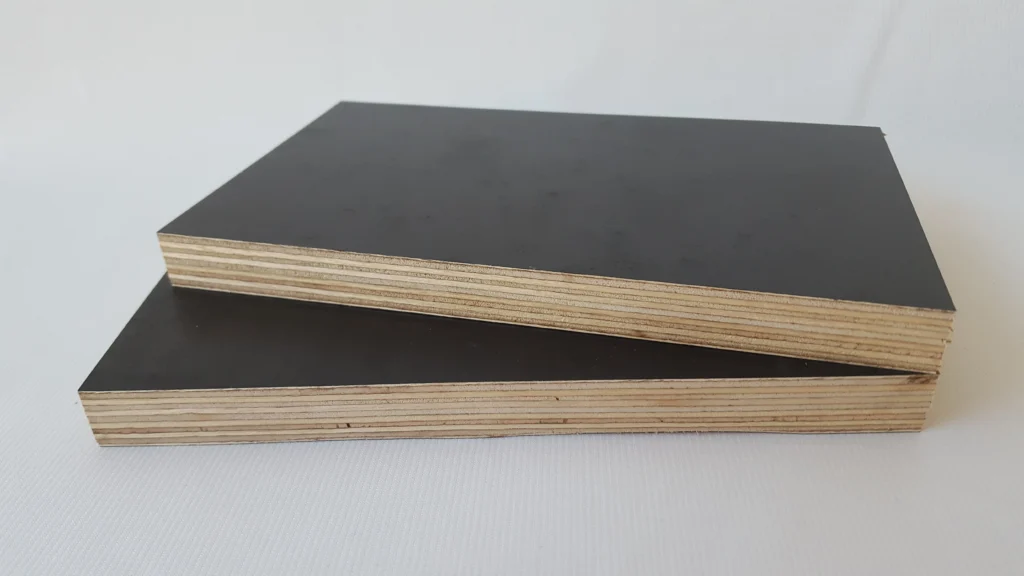
What does “film faced” mean, and how can they tell if the overlay is any good?
Film faced means the plywood surface is coated with a resin-impregnated film designed to resist moisture and abrasion, and to release from concrete more cleanly. A good overlay looks even, well-bonded, and resistant to scratching and peeling along high-wear edges.
When comparing Formply Australia products, they should check whether the film is suited to repeated pours, because thin or poorly bonded film tends to fail early and show as patchy concrete finish. They should also review a construction material selection guide to understand how factors like durability, surface quality, and reuse potential affect product performance.
How many reuses should they realistically expect in Australian conditions?
Reuse count depends on handling, release agent, edge sealing, storage, and how abrasive the formwork cycle is. In real Australian site conditions, the “best case” reuse number can drop quickly if sheets sit in water, get levered off frames, or have unsealed edges.
For a fair comparison, they should ask what conditions the reuse estimate assumes, then judge it against their own crew habits and site exposure before they commit to a Formply Australia order.
Why do edges matter so much, and what should they inspect before buying?
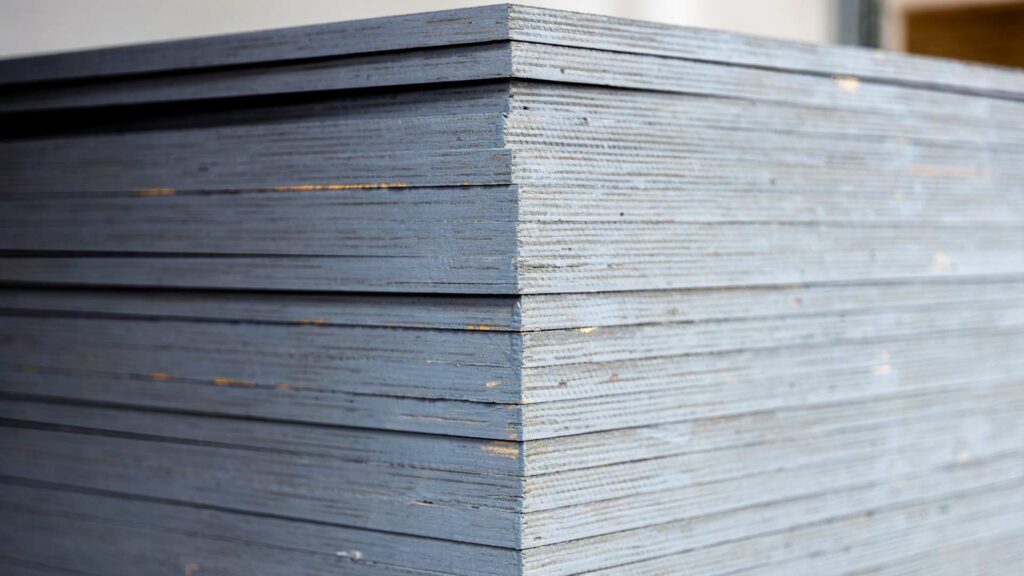
Edges are where moisture ingress starts, and once water gets into the core, sheets can swell, delaminate, and lose stiffness. They should inspect for factory edge sealing, clean cuts, and consistent panel build, then plan to reseal any fresh cuts on site.
If the edges look rough, porous, or inconsistently sealed, it is often a warning sign that the sheet will not last long through multiple cycles, regardless of how good the face looks.
How can they assess the core quality without lab testing?
They should look for a flat sheet, consistent thickness, and minimal voids showing on edges or cut ends. Excessive patches, soft spots, or uneven layering can indicate poor internal build, which may show up later as bowing, blowouts, or fastener pull-through.
For buyers weighing Formply Australia options, a quick in-person check of a few sheets from different packs can reveal consistency issues that photos and spec sheets often hide.
What should they know about moisture, storage, and transport in Australia?
They should assume formply will be exposed to sudden rain, hot sun, and humid coastal air, often in the same week. Proper storage means off the ground, covered but ventilated, and strapped to prevent warp during transport.
Even the best Formply Australia product can fail early if it is left puddled on a slab, stored on uneven bearers, or moved without protecting corners and faces.
How does release agent choice affect the plywood and the concrete finish?
Release agent affects both stripping ease and face life, and incorrect products can soften film, stain concrete, or increase surface defects. They should use a release agent compatible with film-faced plywood and apply it evenly, because over-application can create finish issues and under-application can tear film. A concrete formwork maintenance guide can also help contractors understand suitable handling practices to extend material performance and improve pour results.
If they want cleaner finishes and longer sheet life, they should treat release agent and cleaning as part of the Formply Australia purchasing decision, not an afterthought.
What delivery, pack, and batch details should they confirm with an Australian supplier?
They should confirm pack counts, batch consistency, and whether mixed batches are likely across multiple deliveries. On larger jobs, a change in sheet build or film between batches can create inconsistent finishes and unpredictable reuse performance.
A reliable supplier in the Formply Australia market should be able to provide consistent product, clear lead times, and straightforward replacement processes if a batch arrives damaged or out of spec.
How should they balance price against performance for Australian projects?
They should compare cost per pour, not cost per sheet. A cheaper sheet that fails early can raise labour and finishing costs, especially if it causes patching, grinding, honeycombing repairs, or delays in stripping and resetting.
For many teams, paying more upfront for consistent Formply Australia supply can reduce variation across pours and keep programs tighter, which often matters more than saving a small amount on materials.
What are the most common mistakes people make when buying formply in Australia?
They often buy based on price alone, skip checking edges and film, and assume all “formply” performs the same across suppliers. They also underestimate how quickly poor storage and rough stripping can reduce sheet life, then blame the product when the handling process was the real issue. A formwork timber buying guide can help buyers understand quality factors, storage requirements, and selection tips before investing in LVL formwork timber.
A better approach is to set a reuse target, confirm the spec, inspect a sample pack, and buy Formply Australia stock that matches how the crew actually works.
What quick checklist can they use before placing an order?
They should confirm the plywood is fit for formwork use, then validate consistency and handling needs before committing to volume. A short checklist helps keep the decision practical.
- Confirm sheet thickness suits spans and loads
- Inspect film face for even finish and strong bonding
- Check edge sealing and plan to reseal site cuts
- Look for flatness and consistent thickness across sheets
- Ask about expected reuse in comparable Australian conditions
- Confirm delivery timing, batch consistency, and returns process
- Store off-ground, covered, and strapped to avoid warp
Used properly, these checks help buyers choose Formply Australia products that hold up across pours, protect concrete finish quality, and reduce avoidable site headaches.